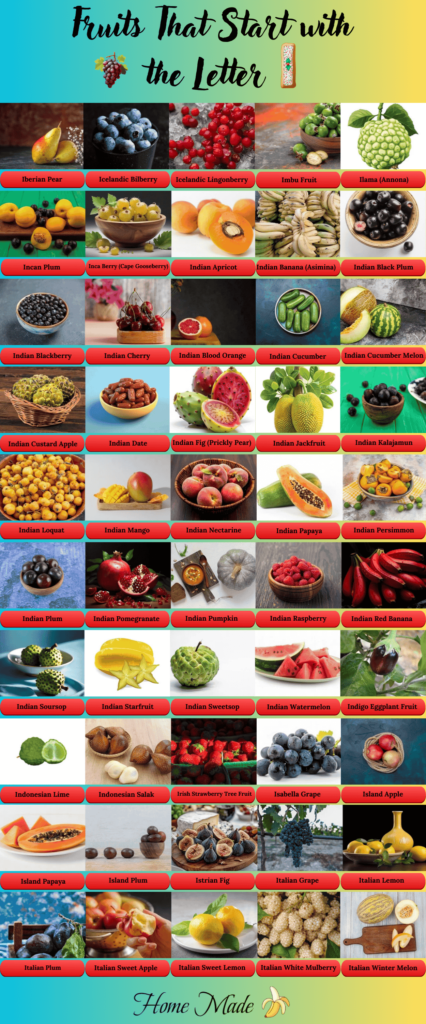
Discovering the Intriguing World of Fruits That Start With I
Embark on a delightful and educational journey through the fascinating world of fruits that start with the letter 'I'. While perhaps less common than their apple or banana counterparts, these unique culinary gems offer a surprising array of flavors, textures, and nutritional benefits, spanning continents and cultures. From the lush, humid tropics to temperate orchards, fruits beginning with 'I' showcase nature's incredible diversity and ingenuity. In this comprehensive guide, we'll delve into some of the most intriguing 'I' fruits, exploring their origins, distinct characteristics, and how you can enjoy them. Prepare to broaden your culinary horizons and discover new favorites, enriching your diet and expanding your palate with these remarkable finds. For even more fascinating insights into this unique category, be sure to check out fruits that start with i - Article 1 and fruits that start with i - Article 2.Unveiling Exotic 'I' Fruits from Around the Globe
Our exploration begins with some truly unique and often lesser-known fruits, each bringing a distinct profile and a story from its native land. These "fruits that start with i" are a testament to the sheer variety that our planet offers.The Marvelous Ice-Cream Bean (Inga edulis)
Imagine a fruit that literally tastes like vanilla ice cream – that's the promise of the Ice-cream Bean. Native to Central and South America, this fascinating fruit grows in long, woody pods. Inside, you'll find a soft, white, cottony pulp surrounding large seeds. This pulp is sweet, juicy, and indeed, often described as having a flavor reminiscent of vanilla ice cream, making it a beloved treat in its native regions.Often eaten fresh, the Ice-cream Bean is also a valuable agroforestry species, enriching soil and providing shade. Rich in fiber and some vitamins, it's not just a delicious snack but also a sustainable agricultural choice.
Ilama: A Tropical Delight of Central America
A close relative of the custard apple and cherimoya, the Ilama (Annona diversifolia) is a prized fruit in parts of Central America, particularly Mexico, Guatemala, and El Salvador. It typically comes in two main varieties: green-skinned with white pulp, and pink-skinned with pink pulp. Both offer a creamy, sweet, and slightly tangy flesh that is utterly delicious when scooped fresh from the halved fruit.The Ilama's smooth, luscious texture and delicate flavor make it a true tropical indulgence. It's an excellent source of Vitamin C, B vitamins, and dietary fiber, contributing to overall health and well-being. Look for Ilama in specialty markets during its peak season, typically late summer to early autumn, to experience its unique taste.
Imbe: The African Mangosteen Relative
Hailing from Southern Africa, the Imbe (Garcinia livingstonei) is often referred to as the "African Mangosteen" due to its botanical relation and somewhat similar sweet-tart flavor profile. These small, round, bright orange-red fruits are packed with juicy, aromatic pulp. The taste is complex, often described as a delightful blend of lychee, apricot, and citrus notes.Eaten fresh, the Imbe is a refreshing treat, but its vibrant flavor also lends itself well to jams, jellies, and desserts. Beyond its delicious taste, Imbe fruits are known to be rich in antioxidants and Vitamin C, contributing to immune support and cellular health. Its drought tolerance also makes it an important food source in arid regions.
Ichang Papeda: A Wild Citrus Curiosity
The Ichang Papeda (Citrus ichangensis) might not be a fruit you'd enjoy eating fresh due to its extreme sourness, but it holds significant importance in the citrus world. Native to China, this wild citrus is primarily valued for its highly aromatic rind and its hardiness. It's often used as a rootstock for grafting more delicate citrus varieties, providing disease resistance and cold tolerance.Culinary uses for Ichang Papeda typically involve its zest, which can add a unique, intense citrusy note to marmalades, sauces, and baked goods. Its powerful flavor makes it a fascinating ingredient for adventurous chefs looking to experiment with exotic citrus profiles, adding depth to various dishes.
Everyday Delights and Ancient Remedies: Widespread 'I' Fruits
Beyond the exotic, some "fruits that start with i" have found their way into global culinary traditions and ancient medicinal practices, offering both delightful flavors and impressive health benefits.The Versatile Indian Almond (Country-Almond)
The Indian Almond (Terminalia catappa), also known as Country-Almond, is a widespread tropical tree. While its name suggests a nut, it's the kernel inside the fruit's hard shell that resembles and tastes like an almond. The fruit itself has an edible, somewhat acidic pulp that can be enjoyed fresh, though it's less commonly consumed than the kernel.The kernels are a good source of healthy fats, protein, and various minerals, making them a nutritious snack. Beyond culinary uses, the tree's leaves are famous in aquaristics for their beneficial properties in fish tanks, and various parts of the plant are used in traditional medicine. This versatility makes the Indian Almond a truly remarkable "I" fruit.
Indian Gooseberry (Amla): A Nutritional Powerhouse
Due to its high Vitamin C content and potent antioxidant properties, Amla is widely used in various forms: pickles, chutneys, juices, powders, and preserves. It's celebrated for its ability to boost immunity, improve digestion, promote hair growth, and support skin health. Incorporating Amla into your diet, perhaps in a smoothie or as a supplement, is a fantastic way to harness its ancient healing powers.
Indian Jujube (Chinese Date): A Sweet and Crunchy Treat
The Indian Jujube (Ziziphus mauritiana), sometimes called the Chinese Date, is a delightful fruit grown in tropical and subtropical regions worldwide. The fruit typically starts green and firm, offering a crisp, apple-like texture and a mildly sweet flavor. As it ripens, it turns yellowish-red, becoming softer and developing a richer, date-like sweetness.This versatile fruit can be enjoyed fresh, dried, or processed into candies, beverages, and preserves. Dried jujubes are a popular snack, providing a chewy, sweet experience similar to dates. Indian Jujubes are a good source of Vitamin C, dietary fiber, and various minerals, making them a healthy and satisfying treat.
European and Asian 'I' Fruit Contributions
Our global tour of "fruits that start with i" wouldn't be complete without acknowledging some well-loved varieties from Europe and Asia that have found their way into kitchens worldwide.The Classic Italian Plum
When we talk about the Italian Plum, we're usually referring to specific varieties of European plums (Prunus domestica), particularly those known as Prune Plums. These plums are distinctive for their deep purple skin, sweet-tart golden flesh, and their freestone pits, which make them ideal for various culinary applications.Italian Plums are celebrated for their exceptional flavor in baking, starring in tarts, crumbles, and cakes. They are also excellent for fresh eating, making jams, and most famously, for drying into prunes. Their late summer seasonality makes them a cherished harvest, providing a burst of flavor before the colder months. These plums are packed with fiber and antioxidants, contributing to digestive health and overall well-being.
Iyokan: Japan's Beloved Citrus
From the citrus groves of Japan comes the Iyokan (Citrus iyo), a popular and highly regarded hybrid citrus fruit, believed to be a cross between a mandarin and an orange. It's larger than a mandarin but smaller than a typical orange, with a bright, glossy orange skin that is relatively easy to peel.The flesh of the Iyokan is juicy, sweet, and moderately tart, with a delightful aroma that is both refreshing and invigorating. It's primarily enjoyed fresh as a snack, but its vibrant flavor also makes it an excellent choice for fresh juices, marmalades, and as a flavorful addition to fruit salads. Rich in Vitamin C and other beneficial compounds, Iyokan is a delicious and healthy way to brighten your day.
